Ten Minutes to Sanity: A Working Checklist for When No One Fun Is Around
Something shifted in the last year or two, and it is worth naming before anything else. Free time stopped feeling like a gift and started feeling like a task. Screens got faster, feeds got louder, and yet the honest complaint I hear most often, from friends, from colleagues, from strangers in comment threads, is some version of “no one fun is around anymore.” That phrase used to mean a quiet Friday. Now it means something closer to a mood: the sense that the people, apps, and plans that used to deliver a good time have gone flat at the same moment.
I spent the past several months comparing how different people handle that mood, from group-chat organizers to solo players who unwind with a mobile session after work. The pattern that emerged was not a big lifestyle overhaul. It was a short checklist, the kind you can run in ten minutes when the evening is drifting and no one fun is answering your messages. What follows is that checklist, framed as the questions I kept asking myself while comparing the alternatives.
Why did “no one fun” become a real problem this year?
What changed recently? Group plans got harder to schedule, short-form content got more passive, and a lot of people quietly moved their entertainment into apps they open alone. The result is a strange gap: more options than ever, less spontaneous company than before.
Why does it matter right now? Because the gap fills itself with scrolling if you let it. An unstructured hour turns into three, and by the end you feel less rested than when you started. The fix is not finding more content. It is deciding, in advance, what kind of session you actually want.
Who is this checklist for? Anyone who has texted a group chat and gotten silence back, then sat there unsure what to do next. It works for social players who want company and for solo players who just want a structured, satisfying break.
What should you check before you commit an evening to anything?
Question one: is this active or passive? Passive options, like another scroll through a feed, are fine in small doses but terrible as a default. Active options, even small ones, give your attention something to grip. When I compared alternatives, the active ones won almost every time, not because they were more exciting but because they ended cleanly.
Question two: does it have a natural stopping point? A round, a match, a session, a single episode. If the activity has no edge, it will eat the whole evening. If it has an edge, you can enjoy it and still get to bed.
Question three: is the setup under two minutes? Anything that requires a long install, a complicated account dance, or a group consensus fails on a low-energy night. This is where a platform like top one fits the checklist: it is built around quick access, an APK download, a login, and a session you can start without recruiting anyone.
Question four: does it respect your budget and your age gate? Real-cash gaming is for adults 18 and over, and any honest checklist has to say that plainly. Decide your limit before you open anything, not after.
Question five: is there support if something goes wrong? A login issue or a bonus question should not derail your whole night. Check that help exists before you need it.
How do you pick between the alternatives without wasting the evening?
What are the realistic categories? In my comparison, most nights come down to four: social plans, passive media, hobby time, and app-based gaming. Each has a different cost in energy, money, and coordination.
Which one wins on a low-energy night? Usually app-based gaming or a short hobby session, because both start instantly and end on their own terms. Social plans are the best when they happen, but they are also the least reliable, which is exactly why the “no one fun” feeling shows up in the first place.
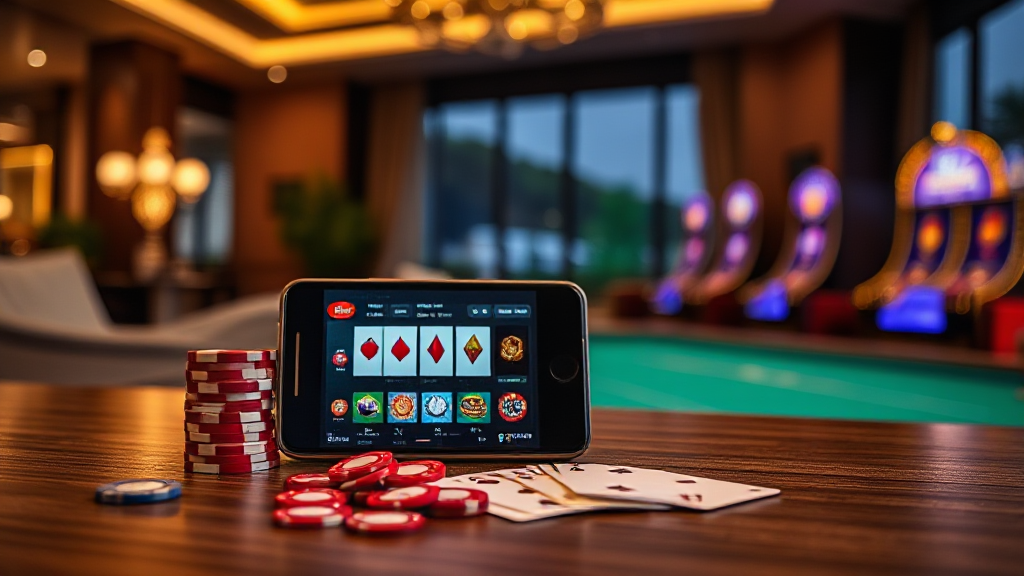
What about variety within gaming? This is where the comparison got interesting. A platform that only offers one format gets stale fast. One that mixes slots, card games like Teen Patti, and live dealer tables gives you a reason to come back without repeating the same session. That mix is what makes top one game a reasonable default rather than a one-night experiment.
How do you avoid decision paralysis? Set a rule before you open anything: one format, one time box, one budget. If the session is not working after fifteen minutes, switch formats once, then stop. The checklist is not about maximizing fun. It is about preventing a wasted evening.
What signals a bad fit? Endless setup, unclear bonus terms, no visible support channel, or a format that keeps you past your own limit. Any one of those is enough to close the app and pick something else.
What does a ten-minute reset actually look like in practice?
Minute one to two: Name the mood. Are you bored, restless, lonely, or just tired? Each one points to a different fix, and tired almost never means gaming.
Minute three to four: Check the group chat once. Send one clear plan, not a vague “anyone around?” If no one answers in a few minutes, move on without resentment. That is the whole point of having a fallback.
Minute five to six: Pick your category from the four above and commit. No browsing between categories, because that is how the hour disappears.
Minute seven to eight: Set the frame: time box, budget, and format. If you are playing real-cash games, confirm you are 18 or older and that your limit is decided in advance.
Minute nine to ten: Start. If you chose a mobile platform, this is the moment to handle the download and login so the session itself stays uninterrupted. A clean, quick start is a bigger deal than most people admit, because friction is what sends you back to scrolling. When the comparison is done honestly, the option that starts fastest and offers real variety tends to be the best game for that specific night, even if it is not the flashiest on paper.
After the session: Close it deliberately. Note whether it actually helped. Over a couple of weeks, that note becomes your personal checklist, tuned to what genuinely resets you rather than what merely passes the time.
FAQ
Is “no one fun” really about other people, or about me?
Usually both. The phrase often describes a scheduling reality, but the feeling it produces is personal. The checklist works because it separates the two: you cannot force friends to be free, but you can control what you do with the evening they leave open.
How long should I give a new activity before deciding it is not working?
Fifteen minutes is a fair test for most app-based sessions. If it has not engaged you by then, switch formats once. If the second attempt also falls flat, stop and try a different category entirely the next night.
Do I need to spend money to make an evening feel worthwhile?
No. Free formats and hobby time work well. If you do choose real-cash gaming, treat it as entertainment with a preset limit, confirm you meet the 18+ requirement, and never chase a loss.
What is the single most common mistake people make?
Starting without a frame. No time box, no budget, no chosen format. That is how a ten-minute reset turns into a three-hour drift, and it is the exact outcome the checklist is designed to prevent.